Assess Your Garage and Choose the Right Surface
Before selecting flooring materials, start by evaluating your garage’s concrete condition and how the space is used. Look for cracks, moisture staining, peeling paint, and uneven spots, since these factors affect how well coatings or tiles will bond. If your floor has oil spots or heavy staining, garage flooring plan for an appropriate degreasing and prep step so the finish can adhere properly. Also consider whether you park vehicles daily, run a workshop, or store chemicals, because the best surface depends on the pressure, spills, and abrasion you’ll face.
Next, match your goals to a practical solution: durability, ease of cleaning, resistance to stains, and visual finish. Epoxy coatings are popular for their strong bond and smooth, uniform look, but they require careful surface prep and proper mixing. Polyaspartic systems can offer faster turnaround for some projects, while rubber and foam tiles provide a more forgiving feel and straightforward replacement of damaged sections. If you want a low-maintenance surface that hides small imperfections, interlocking tile systems can be a smart choice for many homeowners.
Plan for Prep, Moisture Control, and Safe Installation
Sweep thoroughly, grind high spots, and fill cracks so the final surface is level and stable. For coatings, moisture testing garage floors is essential; trapped moisture can cause bubbling, peeling, or softening over time. If moisture is present, use the right moisture-mitigation approach recommended for your chosen system rather than skipping steps.
Then focus on cleaning and surface profiling, especially if you’re coating concrete. Degrease with a product formulated for concrete so oil residues do not interfere with adhesion. After grinding, remove all dust with a vacuum and wipe-down process that suits the installation instructions. Plan your workflow for temperature and humidity conditions so you can apply materials consistently, avoid rework, and maintain the intended cure schedule for a stable finish.
Finally, protect your home and family during installation. Use ventilation when applying primers and coatings, wear gloves and eye protection, and keep other areas sealed from dust during grinding. If you have pets or shared ventilation pathways, coordinate access and cleanup to reduce exposure to fumes and particulates. Good masking and edge detailing also prevent thin spots along walls, which are common failure areas for improperly sealed boundaries.
Compare Coatings, Tiles, and Specialty Finishes
Coatings create a smooth, seamless surface that’s easy to sweep and mop, making them ideal for garages that see frequent cleaning. When installed correctly, a quality system can resist many stains and withstand everyday vehicle traffic, including the abrasive effects of tire grit. For a deeper look, you can select color flakes or decorative blends, which add visual depth without adding complexity to daily care. If you choose this route, prioritize a consistent application thickness and proper recoat timing to maintain uniform performance.
Tiles and modular mats offer a different set of benefits, especially for spaces where you want flexibility. Interlocking panels can reduce the time spent waiting for cure because installation is largely dry-fit, though proper leveling is still required. They can also be removed and replaced if a section is damaged by dropped tools or a stubborn spill. Rubber options provide comfort and noise reduction, which can be helpful if you spend time in the garage working on projects.
For specialty needs, consider finishes designed for chemical resistance or enhanced traction. If you handle solvents, fertilizers, or de-icing products, ask about systems built to resist chemical etching and staining. For wet-prone areas, look for options that include traction-promoting textures so your floor stays safe underfoot. Your local climate and how water enters the garage can strongly influence the best choice of surface texture and drainage strategy.
Conclusion
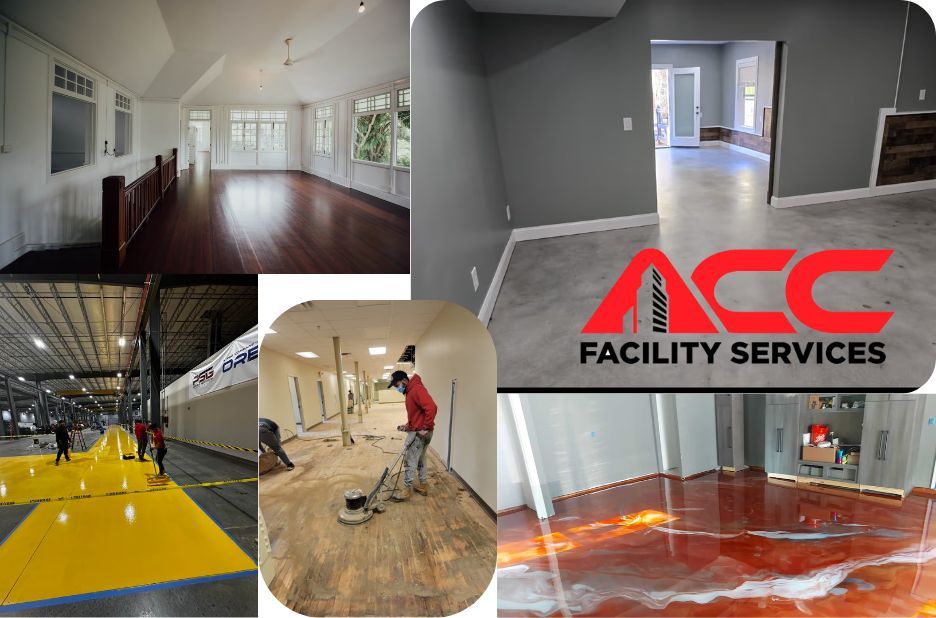
By assessing your concrete, addressing moisture concerns, and choosing a finish matched to your daily activities, you can create a durable surface that looks polished and performs under pressure. When you invest in proper installation methods, you reduce the likelihood of peeling, bubbling, or uneven wear. If you want a dependable approach and a clean final result, consider working with ACC Facility Services for expert guidance and execution. Their team focuses on professional installation practices that protect surfaces and elevate the overall appearance of your garage. For homeowners who want both durability and style, atlantaflooring.io offers practical garage updates designed to last.